

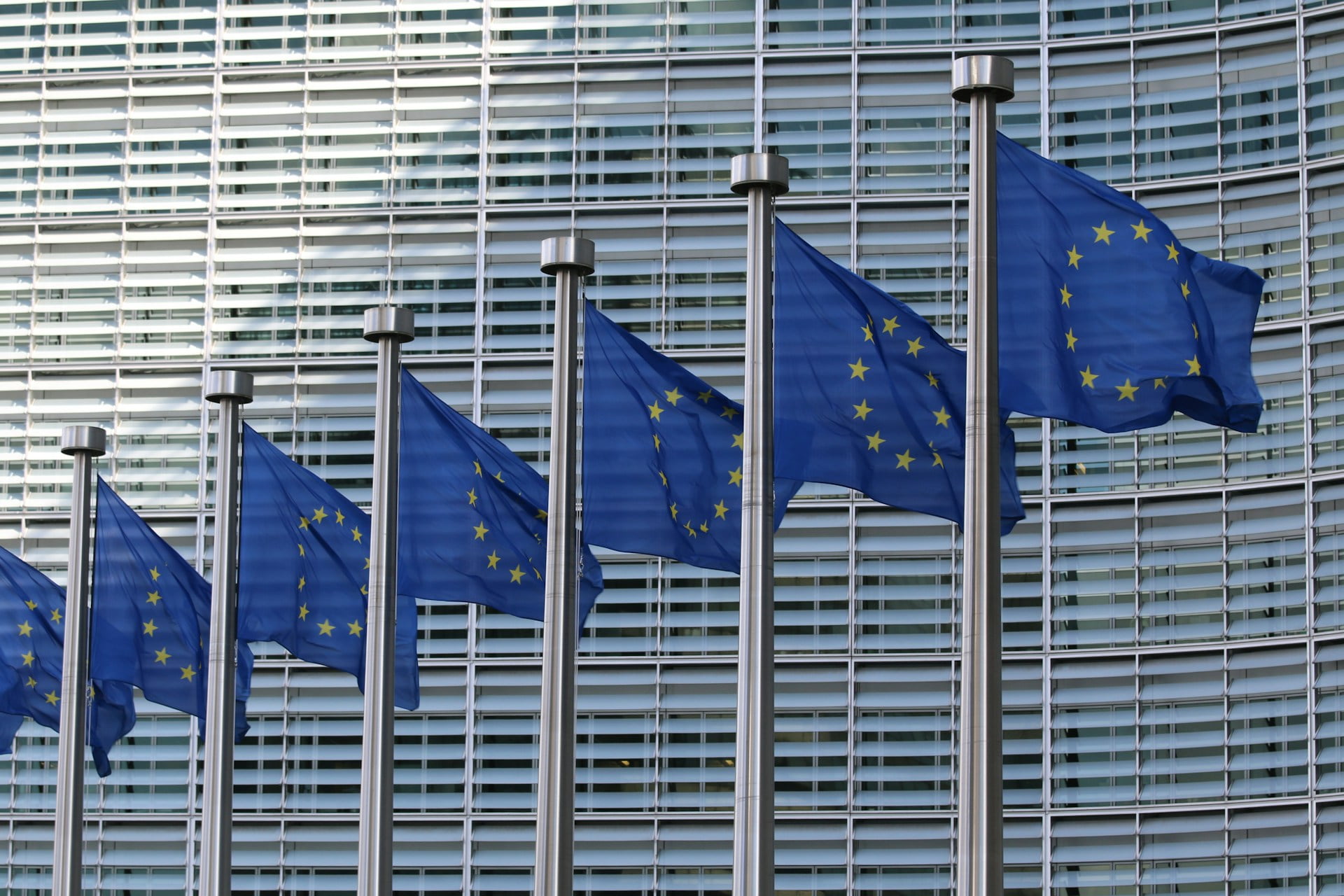
On April 16, 2025, the European Commission (EC) adopted the 2025-2030 working plan for the Ecodesign for Sustainable Products Regulation (ESPR) and Energy Labelling Regulation.
The EC plan provides a list of products that should be prioritised to introduce ecodesign requirements and energy labelling over the next five years. This will foster sustainable, repairable, circular and energy efficient products across Europe, in line with the Clean Industrial Deal and the Competitiveness Compass.
This working plan outlines the priorities for product categories to be legislated under the ESPR and to get a Digital Product Passport (DPP) mandated. Although it does not yet outline the exact requirements on the DPP it should be a clear warning signal to various companies that they need to act in this area. The priorities currently set fous on steel and aluminium as intermediate products, and textile/apparel, furniture, tyres and mattresses and finished goods. Fortunately, there are already some initiatives inplace or taking shape for most of these categories, allowing companies to get going faster and turn this legislative requirement into an opportunity.
Digital Product Passports to help consumers and businesses
Under the regulation, the EC will see the establishment of a new “Digital Product Passport (DPP),” aimed at helping consumers and businesses to make informed choices when purchasing products, by providing information about products’ environmental sustainability.
More information on DPP and the opportunities for your organization? Visit CoE-DPP.